
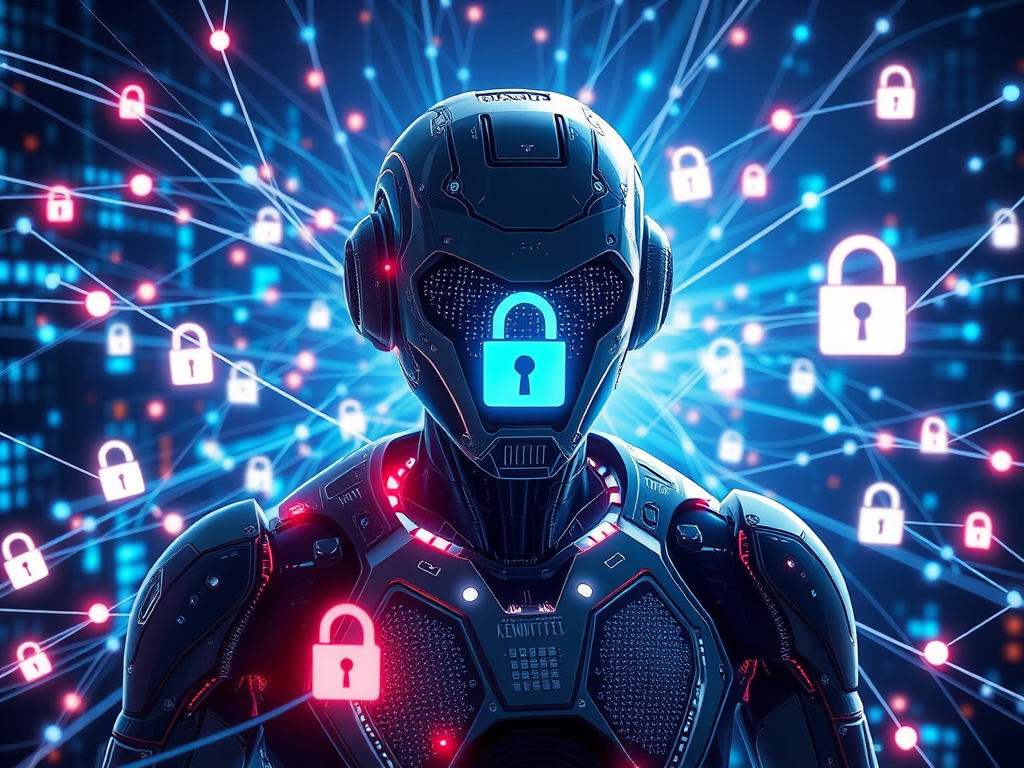
The launch of Manus, one of the first autonomous AI agents, marks a major leap in technology but also raises significant concerns over data privacy and cybersecurity. Here’s what you need to know and how you can protect yourself.
Manus: The First Autonomous AI Agent Sparks Privacy and Security Concerns
The rapid evolution of artificial intelligence has reached another milestone with the introduction of Manus, a groundbreaking autonomous AI agent developed by Singapore-based Butterfly Effect. Unlike traditional chatbots, Manus can independently research, make decisions, and execute plans with minimal human intervention.
While this innovation opens the door to new possibilities, it also presents serious questions about privacy, data protection, and cybersecurity. Understanding Manus’ potential impact is crucial as AI technology becomes more integrated into our lives.
The Rise of Manus: A New Kind of AI
Manus stands out because of its autonomy. It doesn’t just respond to user prompts — it can act independently, navigate the web, gather information, and carry out tasks without needing human approval. However, this level of independence brings with it a new range of risks that users and non-users alike should be aware of.
How Your Data Might Be at Risk — Even Without Using Manus
The use of personal data to train AI systems isn’t a new concern. Several lawsuits have already accused major tech companies of scraping sensitive information without users’ consent. One notable case against OpenAI claims that the company utilized private data, including that of minors, without proper authorization.
Additionally, companies like X (formerly Twitter) have acknowledged using user data to develop AI models like Grok, sharing it with third parties for further AI training. This means that even if you never interact directly with AI platforms like Manus, your data could still end up being part of their training datasets.
Why Protecting Your Personal Information Matters
When AI companies collect data — names, emails, locations, social media content, and photos — they often store it in massive databases. If these aren’t well protected, they become prime targets for cybercriminals.
Recent breaches, like the one involving AI company DeepSeek, exposed over a million sensitive records. Leaked data often finds its way onto the dark web, leading to identity theft, phishing scams, and financial fraud.
Beyond breaches, there’s also the risk of data misuse. One emerging threat is prompt injection attacks, where malicious commands hidden in seemingly harmless text trick AI models into behaving unexpectedly, leaking sensitive information, or performing unauthorized actions.
Manus’ Unique Security Challenges
Manus’ autonomy, while impressive, significantly increases the chances of falling victim to hidden attacks. Unlike traditional AI tools, which require direct input, Manus can stumble upon malicious instructions embedded in content it browses independently.
Adding to the concerns, some security researchers have traced Manus’ data storage to servers located in Shenzhen, China — raising questions about surveillance, data governance, and potential government access.
Butterfly Effect, the company behind Manus, did not respond to requests for comment before publication.
How to Protect Your Data in an AI-Driven World
Even if you never use Manus, your information could still be at risk. Here are proactive steps you can take:
1. Approach Manus with caution:
Given its newness and the questions surrounding its privacy policies, it might be wise to avoid using Manus until there is more transparency and regulation.
2. Limit the personal information you share online:
The less you post publicly, the less data AI systems can scrape.
3. Clean up your digital footprint:
Make your social media accounts private, adjust privacy settings, and remove your data from data brokers and people search websites.
4. Strengthen your cybersecurity defenses:
Use trusted antivirus software to defend against potential malware or phishing attacks triggered by autonomous AI systems.
5. Choose privacy-focused services:
Opt for browsers like DuckDuckGo and email providers like ProtonMail that prioritize user privacy.
6. Keep all software updated:
Regular updates patch vulnerabilities that AI-powered attacks could exploit.
7. Enable multi-factor authentication (MFA):
Adding an extra layer of protection can significantly reduce the risk of unauthorized account access.
8. Use strong, unique passwords for every account:
Consider using a password manager to maintain complex and unique passwords across platforms.
Final Thoughts
The arrival of autonomous AI agents like Manus is both thrilling and concerning. As these technologies continue to evolve, so too do the risks to our personal information. Staying informed, limiting your digital footprint, and choosing secure tools are key to protecting yourself in this rapidly changing landscape.
Source: Fox News




 gyanugenai
Leave a comment