
Summary:
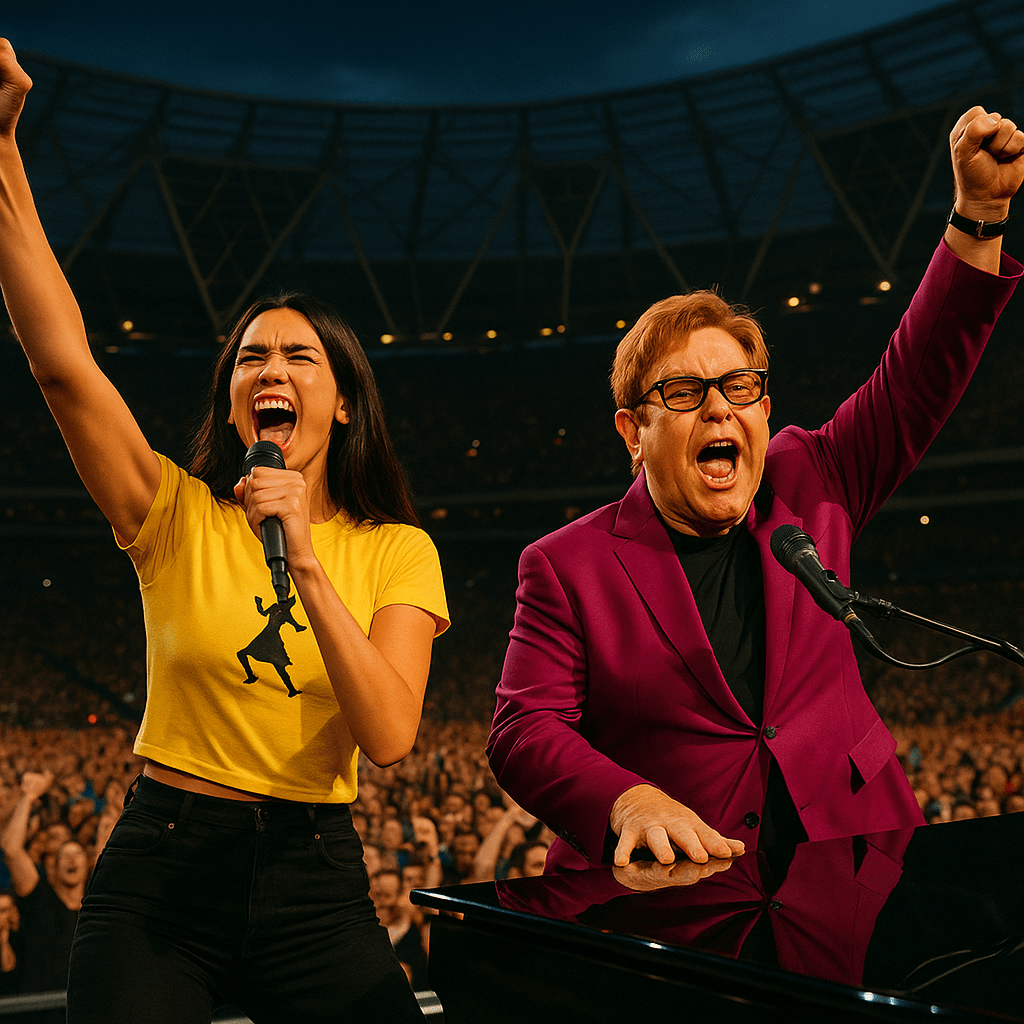
More than 400 British artists and creatives, including Sir Elton John and Dua Lipa, have signed a letter urging Prime Minister Sir Keir Starmer to strengthen copyright protections against unauthorized use of their work in AI training. The group seeks legislative changes that would ensure transparency and fair licensing agreements.
Artists Call for Copyright Protection in the Age of AI
A growing number of prominent UK artists are speaking out against the unregulated use of their creative work in the development of artificial intelligence technologies. In a letter sent to Prime Minister Sir Keir Starmer, over 400 musicians, writers, and performers warned that without immediate legislative action, they risk losing control over their intellectual property.
Among the high-profile signatories are Sir Elton John, Dua Lipa, Sir Ian McKellen, Florence Welch, and Sir Paul McCartney. The letter argues that failing to act would compromise the UK’s global standing as a leader in creative industries and could result in artists “giving away” their work to technology companies without consent or compensation.
Push for AI Transparency and Licensing Reform
The signatories are backing a proposed amendment to the Data (Use and Access) Bill, introduced by Baroness Beeban Kidron. The amendment aims to require artificial intelligence developers to inform copyright holders when their content is being used to train AI models. Advocates say this would pave the way for transparent licensing arrangements between creators and AI companies.
In their collective statement, the artists emphasized the essential role they play in national culture and innovation. “We are wealth creators, we reflect and promote national stories, and AI needs us as much as it needs energy and computer skills,” the letter states.
Government Response and Industry Debate
A government spokesperson acknowledged the concerns and reaffirmed a commitment to support both creative industries and AI development. “No changes will be made unless we are sure they benefit creators,” the spokesperson said, highlighting ongoing consultations aimed at finding a balanced solution.
However, not everyone agrees with the proposed reforms. Julia Willemyns, co-founder of the Centre for British Progress think tank, cautioned that stringent copyright rules could drive AI development offshore and hinder economic growth. She argued that foreign firms would remain unaffected, potentially disadvantaging the UK’s own AI sector.
Rising Artist Concerns About AI
This debate comes amid growing unease in the creative sector about how generative AI systems are being trained. These models, capable of producing music, text, and images based on human input, often rely on large datasets that include copyrighted material.
In February, several artists including Annie Lennox and Damon Albarn released a silent album to protest against the government’s original proposal that allowed developers to use online content unless creators explicitly opted out. Following significant backlash, the government indicated it might reconsider that approach.
Nobel laureate Kazuo Ishiguro, also a signatory, questioned the fairness of altering established copyright laws to benefit major tech corporations. He suggested a more inclusive consultation could lead to a workable, fair licensing system, though he remains cautiously optimistic.
The Road Ahead: Seeking a Balanced Framework
Although a previous amendment proposed by Baroness Kidron was rejected, she remains hopeful that her latest revision—focused on transparency—can lay the foundation for a functional licensing system. She emphasized that the UK has the potential to become a global leader in ethical AI development, but only with strong protections for creative professionals.
The government has pledged to release an economic impact assessment and a formal report following the consultation period, aiming to address the diverse viewpoints across both the tech and creative sectors.
Source: BBC



 gyanugenai
Leave a comment