
Summary:
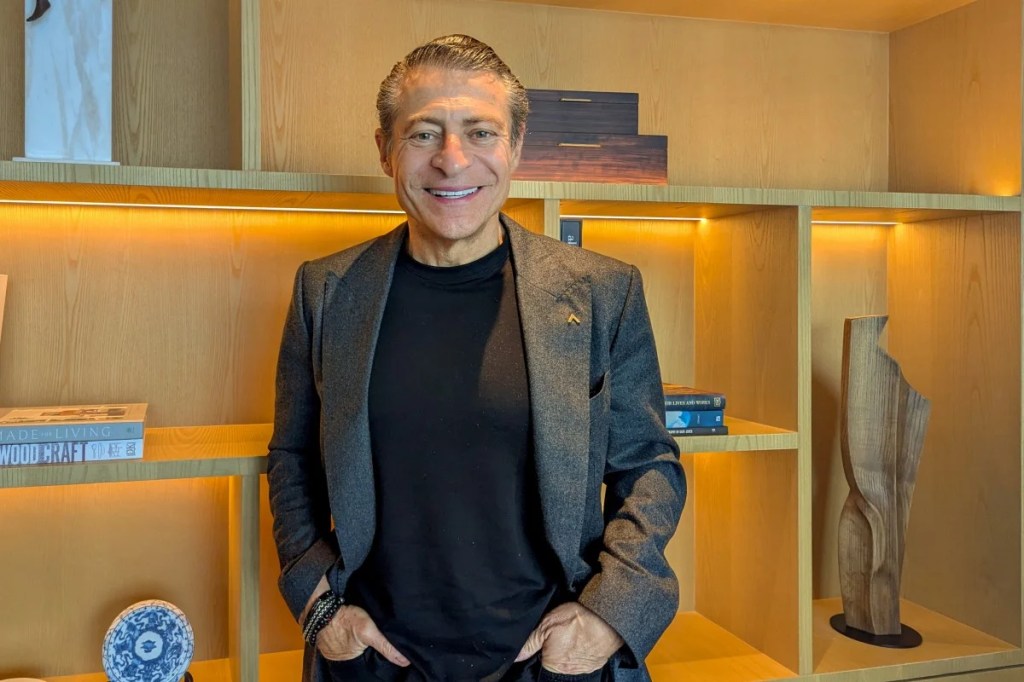
Peter Diamandis, the visionary behind the XPrize Foundation, remains optimistic about the future of artificial intelligence and biotechnology, even as geopolitical tensions between the U.S. and China escalate. Speaking at an investment conference in Hong Kong, he emphasized that science can still serve as a unifying force across borders.
A Vision Beyond Borders: Science as a Shared Endeavor
Peter Diamandis, known for pioneering innovation competitions that catalyzed breakthroughs like private space exploration, recently expressed hope that scientific discovery—particularly in biotechnology—can transcend national rivalries. While speaking at the UBS Asian Investment Conference in Hong Kong, he emphasized that fundamental sciences such as biology and chemistry are universal, enabling global collaboration.
“A discovery in Beijing,” he said, “can benefit a researcher in Boston,” highlighting the interconnected nature of science and its power to uplift humanity collectively.
Biotechnology vs. AI: A Tale of Two Competitions
Diamandis noted a significant difference in how AI and biotech are treated on the global stage. While artificial intelligence has become a focal point of geopolitical friction—especially with the U.S. restricting advanced tech exports to China—biotech, he argued, may be less contentious.
He views the competition in biotechnology as largely positive: focused on innovation, accessibility, and affordability. This stands in contrast to what he calls the “winner-takes-all” mentality in AI development.
“I welcome competition that drives prices down or improves access and accuracy,” Diamandis said, envisioning a world where medical breakthroughs in one region benefit populations worldwide.
AI: Powerful Yet Reflective of Humanity
Despite acknowledging the geopolitical strain surrounding AI, Diamandis remains enthusiastic about its potential. He imagines a future where AI tools can even serve as digital extensions of ourselves—attending meetings, thinking through ideas, and providing intellectual companionship.
Still, he warned that AI is essentially a mirror of human behavior. “If people are constantly in conflict, how can AI learn peace?” he asked, underlining the need for a more thoughtful and harmonious human approach.
Longevity and Innovation: A Personal Mission
In addition to AI, Diamandis is deeply invested in longevity research. He is promoting his new book, Longevity Guidebook, and a forthcoming follow-up to his bestselling work Abundance, scheduled for release in January 2026.
He believes that extending healthy lifespans—or “healthspan,” as he terms it—should be a priority area for international collaboration. Advances in this field, he said, represent a global good, not a zero-sum competition.
An Optimist Rooted in Star Trek and the Apollo Era
Diamandis traces his optimism to his childhood inspirations—Star Trek and the Apollo moon missions—which portrayed a future of possibility and unity. He believes society needs more of these hopeful visions to guide innovation and policy.
While he ultimately trusts in the positive trajectory of technological progress, he did offer a candid reflection on the near future: “The turbulence we face over the next five to eight years won’t be because of AI, but because of humans. I’m not worried about artificial intelligence. I’m worried about human stupidity.”
Source: South China Morning Post




 gyanugenai
Leave a comment